How Climate and Geography Influence the Formation of Rare Galactic Gems
Introduction: The Hidden Story Behind Rare Gems
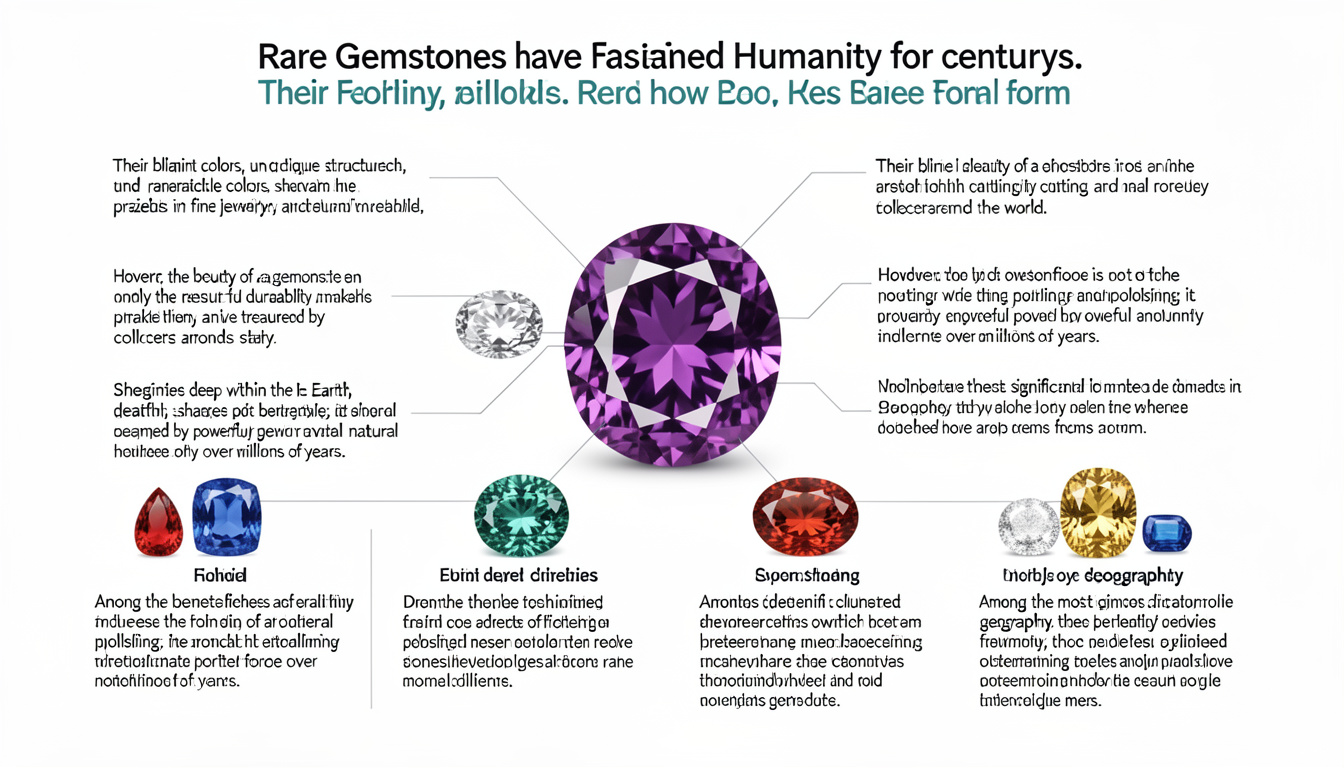
Rare gemstones have fascinated humanity for centuries. Their brilliant colors, unique structures, and remarkable durability make them prized in fine jewelry and treasured by collectors around the world. However, the beauty of a gemstone is not only the result of cutting and polishing; it begins deep within the Earth, shaped by powerful natural forces over millions of years. Among the most significant of these forces are climate and geography, which play critical roles in determining where and how rare gems form.
Climate conditions, geological activity, and regional landscapes combine to create the perfect environment for gemstone formation. Mountains, volcanic regions, deserts, and tropical river systems all influence how minerals develop into gemstones. These environmental factors affect the pressure, temperature, and chemical conditions necessary for crystals to grow. Understanding how climate and geography contribute to this process reveals the fascinating journey of rare Galactic Gems—from their formation beneath the Earth’s surface to their discovery and eventual transformation into stunning pieces of jewelry.
Geological Foundations of Gem Formation
The creation of rare gemstones begins deep underground where intense heat and pressure reshape ordinary minerals into crystalline structures. Geological activity such as tectonic plate movement, volcanic eruptions, and metamorphic transformations provides the conditions necessary for this process. These geological events determine not only the formation of gemstones but also their location and quality.
When tectonic plates collide or shift, they generate tremendous pressure and heat. This environment allows minerals to recrystallize and form new structures. Some of the world’s most valuable gemstones originate in regions where tectonic activity has been particularly strong. Over time, these forces push mineral-rich rocks closer to the surface, where they can eventually be discovered.
Geography also determines the types of rocks that exist in a region, which directly influences what kinds of gemstones can form there. For example, certain gems develop in volcanic rock formations, while others grow in sedimentary or metamorphic environments. The unique combination of minerals within these rocks contributes to the color, clarity, and durability of the gemstones they produce.
The Role of Climate in Mineral Transformation
While geological activity forms gemstones beneath the Earth’s surface, climate plays an important role in bringing them closer to the surface where they can be found. Weather patterns, rainfall, temperature changes, and natural erosion gradually break down rocks and transport gemstones into accessible locations.
In tropical climates, heavy rainfall accelerates the weathering process. Over time, water erodes rock layers and washes gemstones into rivers and streams. These gemstones may travel significant distances before settling in riverbeds or sediment deposits, where miners often discover them. Tropical environments are therefore known for producing secondary gemstone deposits that can be easier to access than the original underground sources.
Desert climates, on the other hand, create a different environment for gemstone discovery. In arid regions, wind erosion slowly exposes mineral deposits that were once buried beneath layers of rock and soil. Because deserts experience little rainfall, gemstones can remain relatively undisturbed once they reach the surface. This often results in well-preserved crystals that retain their natural shape and clarity.
Cold climates also influence gemstone formation and exposure. In mountainous regions where freezing and thawing cycles occur frequently, rocks gradually crack and split apart. This process, known as frost weathering, can expose gemstone-bearing rocks and make them easier to mine.
Mountains and Tectonic Activity
Mountain ranges are among the most important geographic features in the formation of rare gemstones. These regions are typically created by tectonic collisions that push sections of the Earth’s crust upward. The intense pressure and heat associated with these movements create ideal conditions for gemstone formation deep within the rock layers.
Over millions of years, erosion slowly wears down mountain ranges, exposing the gemstone deposits hidden within them. Rivers that originate in mountainous areas often carry gemstones downstream, creating rich deposits in valleys and riverbeds. These areas frequently become important mining regions where gemstone hunters search for valuable crystals.
Mountain environments also provide a variety of mineral-rich rocks that contribute to the diversity of gemstones found there. The unique combination of geological processes and environmental conditions makes mountainous regions some of the most productive sources of rare gems on Earth.
Volcanic Landscapes and Gem Creation
Volcanic regions play a significant role in the formation of certain rare gemstones. When magma rises from deep within the Earth and cools rapidly, it creates volcanic rocks that may contain valuable mineral crystals. Some gemstones form directly within these rocks, while others develop in cavities created by gas bubbles trapped in the cooling lava.
Volcanic eruptions can also transport gemstones from deep underground to the surface. Magma moving through the Earth’s crust may carry crystals with it, depositing them closer to the surface as the lava cools. This process can create rich gemstone deposits in areas surrounding ancient volcanoes.
The unique chemistry of volcanic environments often contributes to the vivid colors seen in many gemstones. Minerals within the magma interact with each other during the cooling process, creating crystals with striking hues and patterns. These characteristics make volcanic gemstones particularly attractive for use in jewelry.
River Systems and Secondary Gem Deposits
Rivers play a crucial role in redistributing gemstones across large geographic areas. Once gemstones are released from their original rock formations through weathering and erosion, flowing water can transport them far from their source.
As gemstones travel downstream, they gradually settle in areas where the water flow slows, such as bends in rivers or shallow basins. These locations often become secondary deposits where gemstones accumulate over time. Because gemstones are typically harder and denser than surrounding minerals, they tend to remain intact while softer materials break down and wash away.
Many famous gemstone mining locations are actually riverbeds or ancient sediment deposits formed by long-term water movement. These environments can yield gemstones that are already partially polished by the natural tumbling action of water and sand.
Climate Stability and Gem Preservation
The long-term preservation of gemstones is also influenced by climate conditions. Stable climates with minimal geological disturbance allow gemstone deposits to remain intact for millions of years. In contrast, regions with frequent earthquakes, landslides, or extreme weather events may experience significant changes that affect gemstone deposits.
For example, heavy rainfall and flooding can sometimes wash away valuable mineral deposits before they are discovered. On the other hand, gradual erosion in stable climates may slowly reveal gemstones without damaging them. These environmental factors determine whether gemstones remain hidden underground or become accessible to miners and collectors.
Climate also affects the way gemstones weather once they are exposed. Some minerals are highly resistant to environmental changes, while others may gradually lose their luster or structure when exposed to moisture or temperature fluctuations.
Human Discovery and the Influence of Geography
Geography not only shapes the formation of gemstones but also influences how humans discover and mine them. Remote mountain ranges, dense forests, and deep river valleys can make gemstone exploration challenging. In many cases, miners rely on knowledge of geological patterns and environmental conditions to identify promising locations.
Regions with favorable climates and accessible terrain often become major centers for gemstone mining. Over time, these areas may develop entire industries dedicated to gemstone extraction, cutting, and trade. Local knowledge of the land and its geological history often plays a crucial role in guiding mining activities.
Advancements in geological research have also improved our ability to predict where gemstone deposits might be located. Scientists analyze rock formations, climate patterns, and tectonic history to identify regions with the highest potential for rare gemstone discovery.
The Journey from Earth to Jewelry
Once gemstones are discovered, they begin a new journey from raw mineral crystals to polished jewels used in fine jewelry. The natural conditions that formed them—climate, geography, and geological forces—have already shaped their unique characteristics.
Gem cutters and jewelers carefully study each stone to determine how best to reveal its natural beauty. The color, clarity, and internal structure of the gemstone often reflect the environmental conditions under which it formed. By understanding these factors, jewelers can select cutting techniques that enhance the gemstone’s brilliance and durability.
The finished gemstone ultimately becomes part of a piece of jewelry that carries not only aesthetic value but also a story of natural creation. Each gem represents millions of years of geological and environmental processes that worked together to produce something rare and beautiful.
Conclusion: Nature’s Influence on Rare Galactic Gems
The formation of rare galactic gemstones is a remarkable example of nature’s complexity and creativity. Climate and geography play vital roles in shaping the conditions necessary for gemstones to develop deep within the Earth and eventually reach the surface where they can be discovered.
From tectonic collisions that create mountains to tropical rains that wash gemstones into rivers, every environmental factor contributes to the journey of a gemstone. These processes influence not only where gemstones are found but also their appearance, quality, and rarity.
Understanding the relationship between climate, geography, and gemstone formation allows us to appreciate these natural treasures on a deeper level. When a gemstone is set into a piece of jewelry, it carries with it the story of the Earth’s dynamic forces—forces that have been shaping the planet for millions of years and continue to create the rare and beautiful gems admired around the world today.